Study & Research
A curated, approved collection of Sunni Sufi scholarship — books, lectures, articles, and scholar-reviewed answers.
Study & Research
A curated, approved collection of Sunni Sufi scholarship — books, lectures, articles, and scholar-reviewed answers.
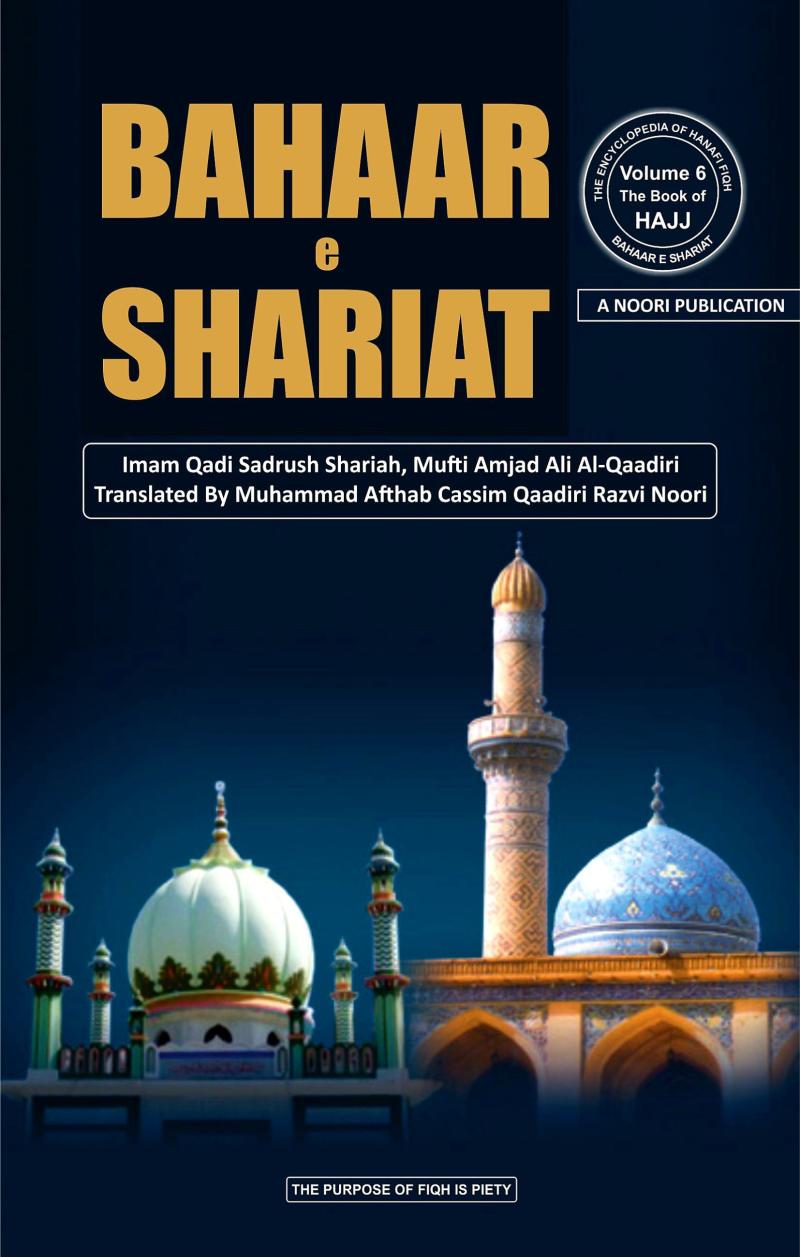
Bahaar-e-Shariat Volume 6 (Hajj and Umrah) — page 360
Opening the book…
A page reference below opens the reader above at that page.
This work details the laws, virtues, and etiquettes of Hajj and Umrah according to the Hanafi school of jurisprudence. It establishes that Hajj became fard (obligatory) in 9 Hijri and is a duty to be performed once in a lifetime by those who possess the necessary physical health and financial means. The text defines the three types of Hajj—Ifraad (Hajj only), Tamat’tu (Umrah followed by Hajj in the same season), and Qiraan (combining both in one Ehraam)—and provides the specific legal conditions for the validity and execution of each.
The work emphasizes the sanctity of the Haram (the sacred precincts of Makkah) and the Ehraam (the state of ritual consecration). It outlines the prohibitions during Ehraam, such as the use of fragrance, wearing sewn clothing, hair removal, and hunting, while detailing the Dam (expiation) or Sadaqah required for various violations. The text also covers the essential pillars of Hajj, including the Wuqoof (stay) at Arafat, the Tawaaf (circumambulation) of the Ka’bah, and the Sa’ee between Safa and Marwah, alongside the Waajib (necessary) actions like the Rami (pelting) of the Jamraat. Finally, the work addresses the Hajj e Badal (proxy Hajj), the rules of vows (Man’nat), and the spiritual etiquettes of visiting Madina Tayyibah and the blessed court of the Prophet Muhammad, ﷺ.
That was the last part of Bahaar-e-Shariat.